Sleep Like Your Life Depends On It: 37-Year-Old with a Dream
Training BJJ 6x/week + lifting 3x/week. Sleep isn't optional—it's my first performance enhancing drug.
Sleep: From Hobbyist to Professional
Sleep is a mystery. We pretend to be asleep and it happens. We lose all sense of space and time, then wake up mysteriously refreshed—or not. It’s a chore. It’s a preview of death. And for most of my life, it was something that just… happened.
That changed when I started training for a BJJ competition. BJJ 6 days a week. Lifting 3x/week. A full-time job. Three kids at home (11, 8, 3).
At some point I realized: I wasn’t treating sleep like a hobbyist anymore. I was treating it like a professional. Because at this volume, recovery isn’t optional—it’s the constraint. And sleep is where recovery either happens or doesn’t.
Sleep, My First Performance Enhancing Drug
Here’s the thing about PEDs: the dose makes the poison—or in this case, the gains.
Sleep is my first performance enhancing drug. And like any good drug protocol, you need to get the dosage right.
The math:
- ~150 nights until competition
- I was getting 6-7 hours. Target is 8.5.
- That’s a 2+ hour deficit per night
- Over 150 nights = 300+ hours of recovery debt
Put another way: my opponent sleeping 8.5 hours gains the equivalent of 12+ extra days of recovery over the same training block.
At this level, that gap matters. Same training, different adaptation. The dose makes the difference.
So I started treating sleep like I treat training: with a protocol.
The Protocol
I approach sleep like I approach security architecture—layered defense. No single intervention is a silver bullet. The stack works together.
Environment
- J-Life Shikibuton on a BJJ mat. Japanese-style floor sleeping on a 3” cotton futon. Breathable, firm, no off-gassing.
- Room temperature: 65-67°F. Your body needs to drop 2-3°F to initiate sleep. Non-negotiable.
- CPAP + chin strap + mouth tape. Belt and suspenders for the airway.
- White noise machine. Masks disruptions, gives the mind an anchor.
- Eye mask. Total darkness.
- Red light only in the last hour. Physical book as wind-down ritual.
Supplements
Tiered by evidence (honest about what’s speculative):
Tier 1 — Strong Evidence:
- Glycine (3g): Drops core body temperature via vasodilation. Several small RCTs. Bonus: supports collagen synthesis.
Tier 2 — Reasonable Evidence:
- Ashwagandha KSM-66 (600mg): Reduces cortisol in stressed populations. Good RCT data for sleep improvement.
- Magnesium L-Threonate: GABA modulation, crosses blood-brain barrier. Athletes often deficient.
- L-Theanine (200mg): Alpha brain waves, relaxation without sedation.
- Collagen: Contains glycine, supports recovery.
Tier 3 — Speculative:
- Taurine (400-500mg): GABAergic, but limited human sleep trials.
- Apigenin: Popularity exceeds evidence. No good human RCTs. Chamomile tea might work just as well.
The Basics
- Caffeine cutoff: noon. Non-negotiable. Half-life is 5-6 hours, but quarter-life means it’s still affecting you at bedtime.
- Mobility work: I use MoveIt (another app I built) for daily mobility. Soft tissue work before bed doubles as nervous system down-regulation.
Wind-Down Protocols (Experimenting)
The research supports these. I’m working on consistency:
- Cold shower: Post-training. Brings down core temp, signals the body it’s time to wind down.
- Dive reflex: Cold water on face. Activates vagus nerve, fastest parasympathetic shift.
- Physiological sighs: Double inhale nose, long exhale mouth. Huberman’s research.
- NSDR/Yoga Nidra: 10-30 min guided rest. Studies show reduced cortisol and improved sleep metrics.
On the list to try: contract-relax work (full-body tension for 5 seconds, release, repeat) as another nervous system reset.
Problem #1: Debugging the CPAP
First assumption when sleep went sideways: something’s wrong with my CPAP.
I’ve been on CPAP for sleep apnea. Surely the machine was misconfigured. Mask leak. Pressure issues. Something.
So I did what any data-obsessed person would do—pulled the SD card and analyzed it with OSCAR (open-source CPAP software).
Plot twist: I’m in the top 1% of CPAP responders.
- AHI: 0.18 events/hour (excellent is <5)
- Leak rate: 0.3 L/min at 95th percentile (excellent is <24)
- Hours on CPAP: 7.2 hours average
My airway was perfectly clear. The problem was elsewhere.
This is why data matters more than fear, uncertainty, and doubt. I could have spent months chasing CPAP ghosts. Instead, the data killed that hypothesis in an afternoon.
Lesson: Data > FUD.
Problem #2: Waking Up at 3am, Mind Racing
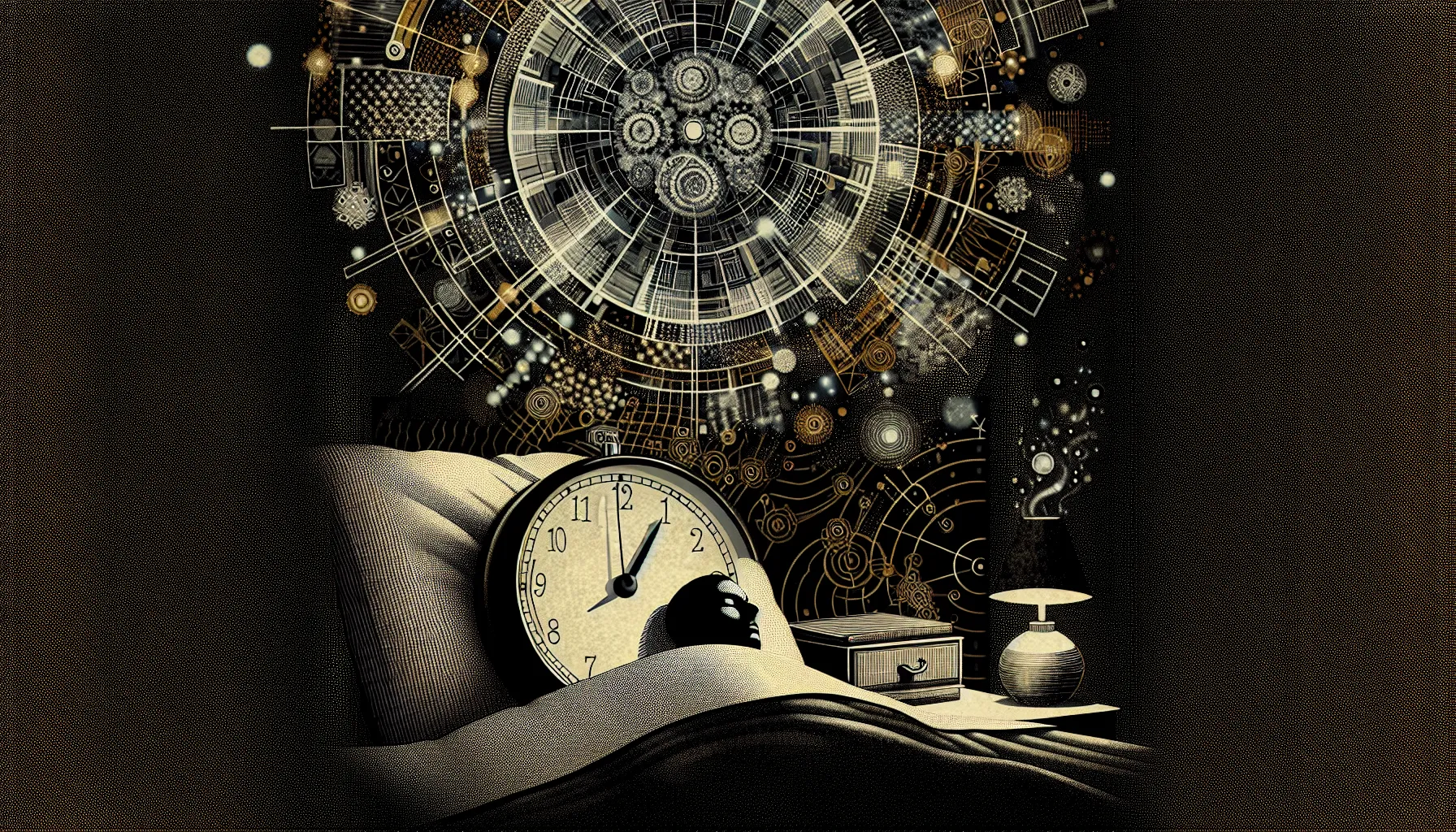
With CPAP ruled out, the real problem came into focus.
I could fall asleep fine. But like clockwork, I’d wake at the 5-6 hour mark. Mind churning. Technique sequences. Work problems. Random anxieties. Sometimes I’d get back to sleep. Sometimes I’d stare at the ceiling until my alarm.
This pattern has a name: sleep maintenance insomnia with hyperarousal features.
Here’s what’s happening:
Hyperarousal is elevated physiological and cognitive activation that persists into sleep. Athletes are particularly prone because:
- High training volume = chronically elevated cortisol
- Evening training keeps cortisol up 4-6 hours post-exercise
- BJJ specifically involves threat processing (simulated combat keeps the amygdala active)
- Technical replay during sleep can trigger conscious awakening
The 5-6 hour timing isn’t random. It occurs when cortisol begins its natural pre-dawn rise. In a hyperaroused system, this rise triggers full awakening instead of smooth cycling into the next sleep stage.
Research backs this up: Hausswirth et al. (2014) found overreached athletes showed significantly worse sleep quality, reduced deep sleep, and increased nighttime awakenings.
This is where the real work is.
Current Solution: PSleep
Here’s the thing about 3am: every NSDR app had something that annoyed me.
| App | Problem |
|---|---|
| YouTube | Ads. At 3am. Kill me. |
| Insight Timer | Notifications, social features, friction |
| Huberman’s free ones | Great but limited variety |
| Paid apps | $100+/year for what should be simple |
| Generic meditation apps | NSDR buried under 10,000 other things |
What I wanted:
- Clean NSDR timer with ambient sounds
- White noise that fades out (anchor for the mind during onset, then removes itself)
- Customizable scripts
- No subscription nags at 2am
- Just works
The research actually supports the fading approach—broadband noise primarily helps during sleep onset. Pink noise may edge out white for deep sleep. A 20-minute fade aligns with the transition past light sleep.
So I built it.
PSleep is in TestFlight. Basic tier is free. Premium ($21/year) unlocks all sounds and custom scripts.
What’s Working Now
Early data. N=1. Not claiming causation. All tracked via Whoop.
Environment optimization — Temperature especially. 65-67°F is the magic zone. Noticeable difference in deep sleep % when the room creeps above 68°F.
Data-driven debugging — OSCAR analysis saved months of CPAP chasing. Whoop correlates sleep metrics with recovery scores, making patterns visible.
Wind-down routine adherence — When I do it, sleep onset improves. The challenge is consistency after late training.
The sardine moment — Week one of optimization. Running all the protocols. Getting fancy. Then I tried “sardine maxing” (1 can per 50 lbs bodyweight—weird internet thing). Hit 98% Whoop recovery for the first time. Was it the sardines? Probably not. But the timing is hilarious, and it’s a good reminder that correlation isn’t causation.
What I’m Still Working On
Protocol consistency — Knowing what to do ≠ doing it. Especially after late training.
Optimal NSDR duration — Is 10 min enough? Does 30 min add value? Still experimenting.
Heavy training days — Tuesday and Thursday (AM NoGi + PM Gi) are hardest. Need extra buffer.
The philosophy — Taking sleep seriously without taking it too seriously. Catastrophizing bad nights makes it worse. The goal: sleep as a journey that serves me, not a cruel master I serve.
I think of it like the psychonaut approach to consciousness—but for the nightly journey we all take. Curious. Experimental. Data over dogma.
Phase 2: What I’m Tracking Next
I have Whoop running 24/7. Here’s what I’m planning to correlate in the next phase:
Sleep Architecture:
- Deep sleep % (target: 15-20%)
- REM % (target: 20-25%)
- Sleep efficiency (time asleep / time in bed)
- Wake episodes per night
Recovery Correlation:
- HRV trend vs. training load
- Resting heart rate trajectory over the training block
- Recovery score vs. previous day’s training intensity
Performance Connection:
- Sparring performance (subjective 1-10) vs. previous night’s sleep metrics
- Perceived exertion vs. sleep quality
The goal: move from “this feels like it’s working” to “here’s what the data shows.” I’ll report back.
Want to Test PSleep?
If you’re also optimizing sleep—especially if you train hard—I’m looking for fellow travelers.
PSleep is in TestFlight. DM me on X or LinkedIn for access.
References
- Kjaer et al. (2002). Increased dopamine tone during meditation-induced change of consciousness. Brain Res Cogn Brain Res.
- Datta et al. (2021). Yoga nidra practice shows improvement in sleep. Natl Med J India.
- Yamadera et al. (2007). Glycine ingestion improves subjective sleep quality. Sleep and Biological Rhythms.
- Langade et al. (2019). Ashwagandha root extract in insomnia and anxiety. Cureus.
- Hausswirth et al. (2014). Disturbed sleep in overreached endurance athletes. Med Sci Sports Exerc.
- Messineo et al. (2017). Broadband Sound Administration Improves Sleep Onset Latency. Sleep Medicine.